
7 Biggest Mistakes when Moving to Spain and How to Avoid Them
Known for its rich culture, diverse landscape and warm climate, Spain attracts expats from across the globe. However, many overlook essential components of the immigration process and make common mistakes while trying to settle in.
If you’re planning a move to Spain, Total Law can help. We can provide professional advice to suit your circumstances and can guide you through the whole process with ease and precision. For example, we can help with visa applications, residence permits, property purchases, tax obligations, and much more. Call us today at +44 (0) 333 305 9375 or +1 844 312 4979.
Most Common Mistakes when Moving to Spain
Though emigrating to a new country, such as Spain, is an exciting adventure, it can also be an extremely intense experience due to the significant volume of considerations involved. It is easy to overlook essential components of the move, and without professional support, many people make mistakes. This can make their experience more complicated, more stressful and less streamlined.
In this article, we will explore 7 of the most common mistakes expats make when planning their new life abroad and how to put things in place to help avoid them.
Page Contents
- Most Common Mistakes when Moving to Spain
- Underestimating the Legal and Bureaucratic Processes
- Not Learning the Language
- Ignoring Healthcare and Insurance Needs
- Overlooking Financial and Tax Implications
- Not Researching the Cost of Living
- Not Understanding Spanish Work Culture
- Not Preparing for Spanish Culture and Social Etiquette
- How Total Law Can Help
- Frequently Asked Questions

Underestimating the Legal and Bureaucratic Processes
When moving to Spain, there are various legal procedures you must adhere to and obligations you must uphold to satisfy the Spanish government.
For example, the first element you should prioritise is your Spanish visa. You must obtain the correct visa for your circumstances to ensure no complications during your move. Also, you should be aware of your visa rules and conditions, and comply with them to remain legal.
In addition, Spain has strict regulations surrounding things like residency permits. Different regions in Spain can have different procedures, and some can take months to finalise. So, you must ensure you do your research and are aware of your obligations well in advance.
To access local services in Spain and to obtain things like a Spanish bank account, you will need to apply for and be granted a Spanish ID card (NIE). This can take a few weeks to finalise, and therefore, you should make sure you are financially prepared before you move.
You will need to provide documentation to support all legal applications, such as your visa, residence permit, and NIE. It is essential to have the correct documentation when making such an application, and that all paperwork is error-free. This will help streamline and speed up the process and prevent you from making costly mistakes.
Often, expats find the legal aspect of their move the most complicated, and it is perhaps best to seek professional advice to ensure a smooth transition. Total Law can support you from start to finish. Call us today on +44 (0) 333 305 9375 or +1 844 312 4979.
Not Learning the Language
It is important to remember that Spain’s primary language is Spanish, and though some Spaniards speak English, this is more widespread in tourist areas. Language barriers can be a big problem if you cannot communicate with others in the local community; therefore, it is highly wise to learn at least basic Spanish.
Without learning Spanish, you will find day-to-day activities such as using public transport, navigating legal systems, and dealing with healthcare providers more complicated. Language barriers can create confusion and misunderstandings, and can even result in you feeling isolated from the local community.
There are various Spanish language courses and apps available to access online or in person, both before and after you move. Additionally, getting involved in community activities in Spain will help you learn various words and phrases.
Becoming fluent in Spanish can open up more opportunities and make day-to-day tasks a lot easier and simpler to navigate. Therefore, it is important to invest some time and effort into learning the language to help ease complications.
Ignoring Healthcare and Insurance Needs
No matter where you are in the world, things can go wrong. Accidents can happen, and people can become ill, which is why being able to access healthcare when needed is a priority. Spain has a great public healthcare system, but your ability to access it will depend on your circumstances.
For example, if you are employed in Spain and you pay into the Spanish social security system, it is likely you will be able to use public healthcare. However, if you’re retired or not working, you may need to look into private health insurance. Without access to public healthcare or without proper insurance, you risk high medical costs or even delays in receiving treatment.
Registering with a GP is also an essential component that many expats overlook. Many regions in Spain require you to register with a GP before you can access any treatment via the public healthcare system. If you don’t register straight away, you risk delays or refusal of treatment/medication.
It is also wise to research how prescription services work in your area. Many regions in Spain use an electronic system for prescriptions, which can only be accepted by certain pharmacies. Being aware of how and when you can receive your medication is paramount to staying healthy.
Overlooking Financial and Tax Implications
Tax works differently in Spain than it does in many other countries, and overlooking the tax system is another one of the common pitfalls that many expats fall into. For example, in Spain, as a tax resident, you are expected to pay tax on your worldwide income and not just on the money you earn in Spain.
In Spain, foreign income includes things like pensions, savings, and investments that you may have in your home country, and therefore, you must understand all of the tax implications surrounding your circumstances. You need to fully understand your tax obligations to avoid double taxation.
As a Spanish tax resident, and depending on your circumstances, you may need to pay wealth tax, property taxes, and more. To fully understand your tax liability, it is wise to consult with a professional tax advisor so that there are no nasty surprises once you are overseas.
Furthermore, once resident in Spain, you will need a Spanish bank account to receive your salary, pay utility bills and make purchases. Some banks charge fees for international transactions, and so it is wise to look into what different banks have to offer and pick what works for you before opening an account.
Not Researching the Cost of Living
Another of the 7 biggest mistakes when moving to Spain includes not researching the cost of living. It is well known that Spain can be more affordable to live in than many other European countries; however, this fact is not exactly widespread across the country.
Different regions of Spain have different living costs. For example, living costs (such as rent, utility bills, and food) in major cities like Madrid and Barcelona are higher than in more rural areas. However, whilst more rural areas cost less to live in, there are fewer job opportunities and usually lower wages.
It is important that you research the cost of living in the region you intend to move to so that you are fully financially prepared and know what kind of prices to expect when moving to Spain. It is also advisable to create a budget to suit your circumstances to ensure you are comfortable when resident in Spain and that there are no unexpected financial pressures to have to deal with once you become a resident.
Not Understanding Spanish Work Culture
Spanish work culture is different from that of many other European countries, as is the Spanish work-life balance. For example, many businesses, particularly in rural areas, close in the afternoon for a traditional siesta.
Those that don’t usually give their employees at least 2 hours for lunch break rather than 1. Because of this, the workday can span into the evening, and dinner tends to be eaten a lot later than you may be accustomed to.
In addition, Spanish workplaces tend to focus on team morale and colleague rapport, and they value work relationships and hierarchy. Respect must be shown to authority figures, and it is important to work as a team and know your role within that team.
Start and finish times can be much more flexible than those of other European countries; however, all employees must still maintain professionalism in the workplace and not take this perk for granted.
It is worth researching your intended workplace so that you know what to expect and what is expected of you before you take the plunge. By doing so, you will avoid any culture shock when you start employment, which will help with the settling-in process.
With its rich cultural heritage, Spain’s customs and social etiquette may differ from those of your home country. For example, it is normal to shake hands or kiss both cheeks when greeting somebody in Spain, even friends and family.
Knowing when to use formal and informal language is also important to avoid any misunderstandings or awkwardness. Some social cues signify respect, and failure to understand this can create distance in new relationships.
Meals and family or communal activities are prioritised in Spain. Meals in particular (such as lunch and dinner) are seen as social events for families and friends to take advantage of, and it is customary to turn up.
As previously mentioned, dinner is usually eaten during the late evening, and so it is acceptable to turn up later than what you may perhaps consider normal. However, understanding the importance of your presence by researching Spanish culture before you move will help you better navigate your new life in Spain.

How Total Law Can Help
Emigrating to a new country is an extremely exciting adventure, but the legalities and practicalities should not be overlooked. It is perhaps best to seek professional advice and guidance to ensure you leave no stone unturned.
Here at Total Law, we can help you with all aspects of moving countries. We are professional immigration lawyers with a wealth of qualifications and experience who can streamline the immigration process and help you settle into a foreign country with ease.
We can provide guidance on all legal documentation and applications, such as Spanish visas, residence permits, and ID cards. We can help you understand different social systems such as healthcare, education and tax. We can even help you find property abroad and signpost you to services that match your circumstances.
We offer a bespoke experience that is designed to work around you and your needs. Call us today on +44 (0) 333 305 9375 or +1 844 312 4979 and see how we can help you on your journey to a foreign land.

Advice Package
Comprehensive immigration advice tailored to your circumstances and goals.

Application Package
Designed to make your visa application as smooth and stress-free as possible.

Fast Track Package
Premium application service that ensures your visa application is submitted to meet your deadline.

Appeal Package
Ensure you have the greatest chance of a successful appeal. We will represent you in any case.

The Advice Package
During this untimed Advice Session with our professional immigration lawyers in London, you will receive our comprehensive advice, completely tailored to your needs and your situation.

The Application Package
With our Application Package, your dedicated immigration lawyer will advise you on your application process and eligibility. Your caseworker will then complete and submit your forms to the Home Office on your behalf.
The Fast Track Package
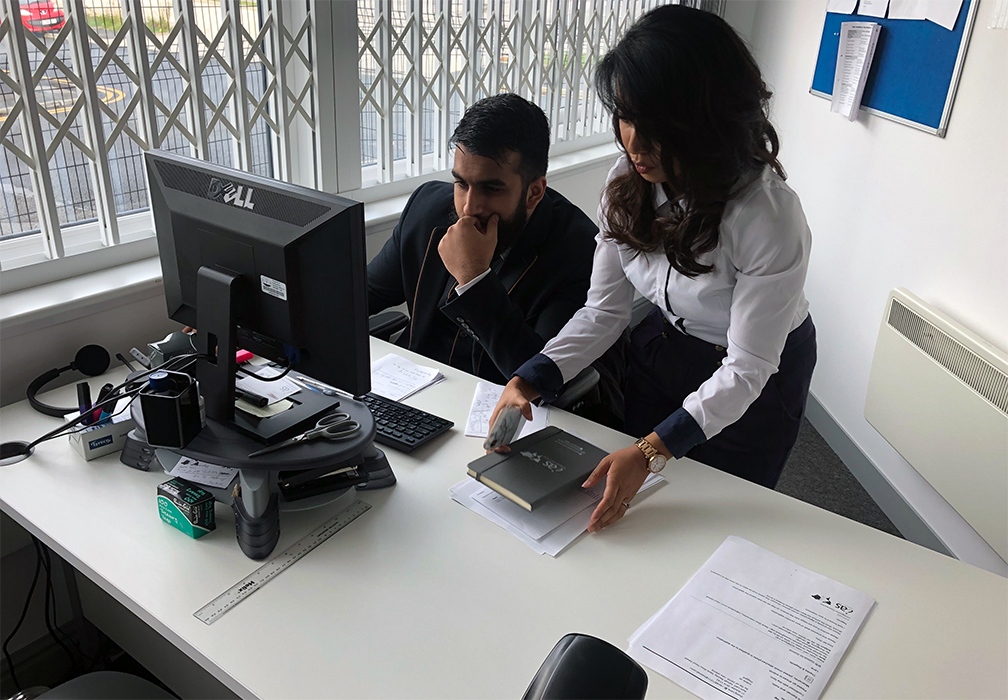
Our Fast-Track Application Package is a premium service for those who need to submit their application in time with their deadlines. Your case will become a top priority for our lawyers and you will benefit from our highest-quality services.

The Appeal Package
By choosing our Appeal Package, you can rely on our lawyers’ legal knowledge and experience to ensure you have the highest chance of a successful appeal. We will also fully represent you in any hearings/tribunals.
Related pages for your continued reading.
Frequently Asked Questions
The amount of money you will need in your bank account to secure a Spanish visa will depend on the visa type you wish to apply for. For example, short-stay visas require you to have at least 96 euros per person per day of your entire stay. The requirement for long-term visas is based on a percentage of the Spanish government’s IPREM index and differs depending on which visa you are applying for.
There are potential benefits when moving to Spain from the UK, such as a better work-life balance, a lower cost of living, and better weather. However, due to Brexit, there can be challenges such as language barriers, fewer employment opportunities and cultural differences. The decision is a personal one, and you should consider all aspects before taking the plunge.
Brits can still retire to Spain, but since leaving the European Union (Brexit), the process has become more complicated. Brits now need to meet additional requirements to stay in Spain long-term.
Yes, it is possible to still claim some social security benefits when moving to Spain (such as a pension), but you will need to notify the relevant authorities before you move and learn how payments are converted and processed.
Buying a house in Spain does not automatically grant you residency. However, it can support a residency application.

Clear, professional guidance.
Get clear, professional guidance for your immigration case.
Call Now Call To Discuss